OnabotulinumtoxinA
Botox® Cosmetic
FDA-approved cosmetic labeling includes moderate to severe frown lines, crow's feet, forehead lines, and platysma bands in adults.
Expression treatments / Henderson, Nevada
The label is only the beginning.
A useful decision starts with what the products actually share, where they genuinely differ, and how your face moves. This is the short guide KayDee wants every client to have before choosing.
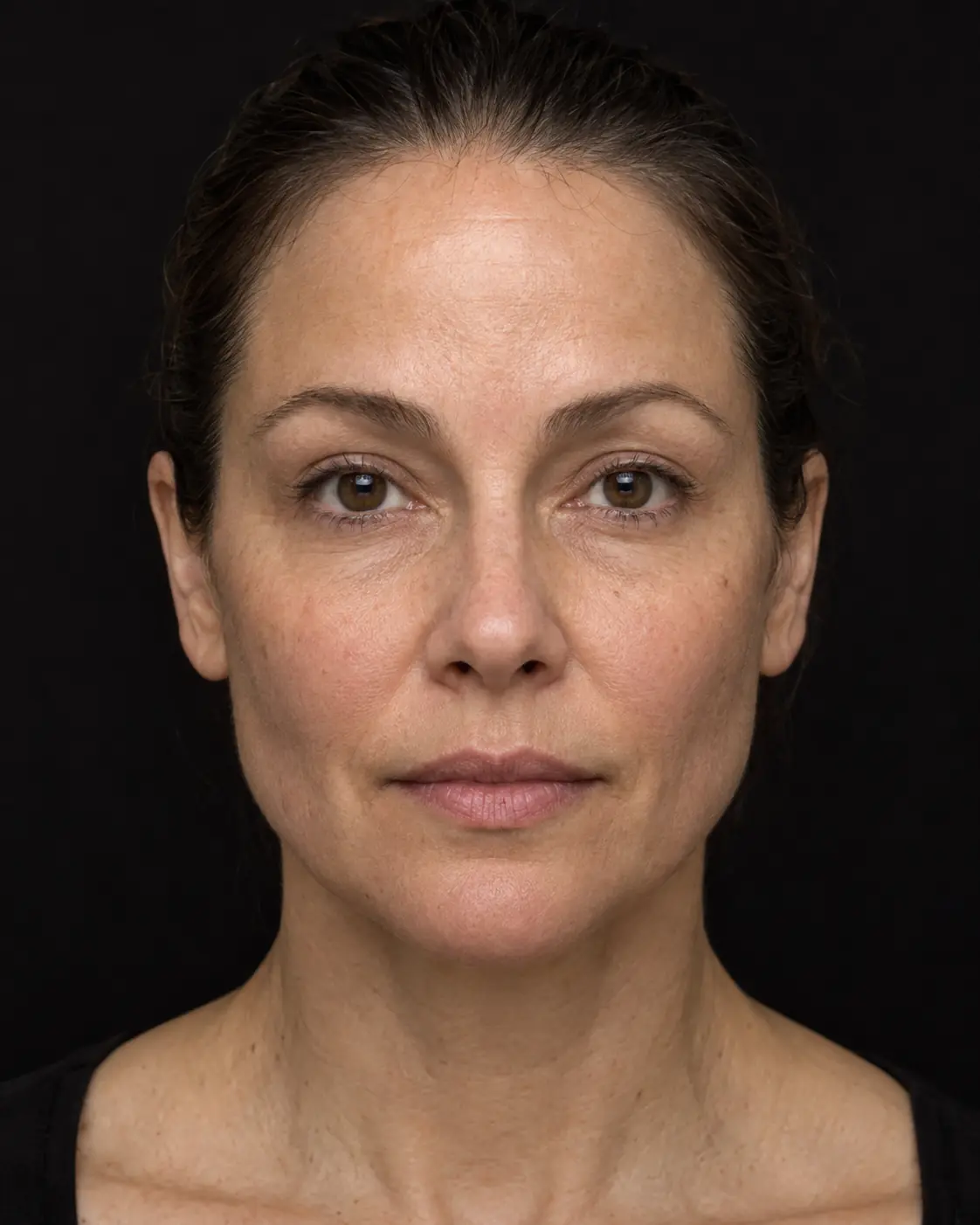 01 / RestBaseline
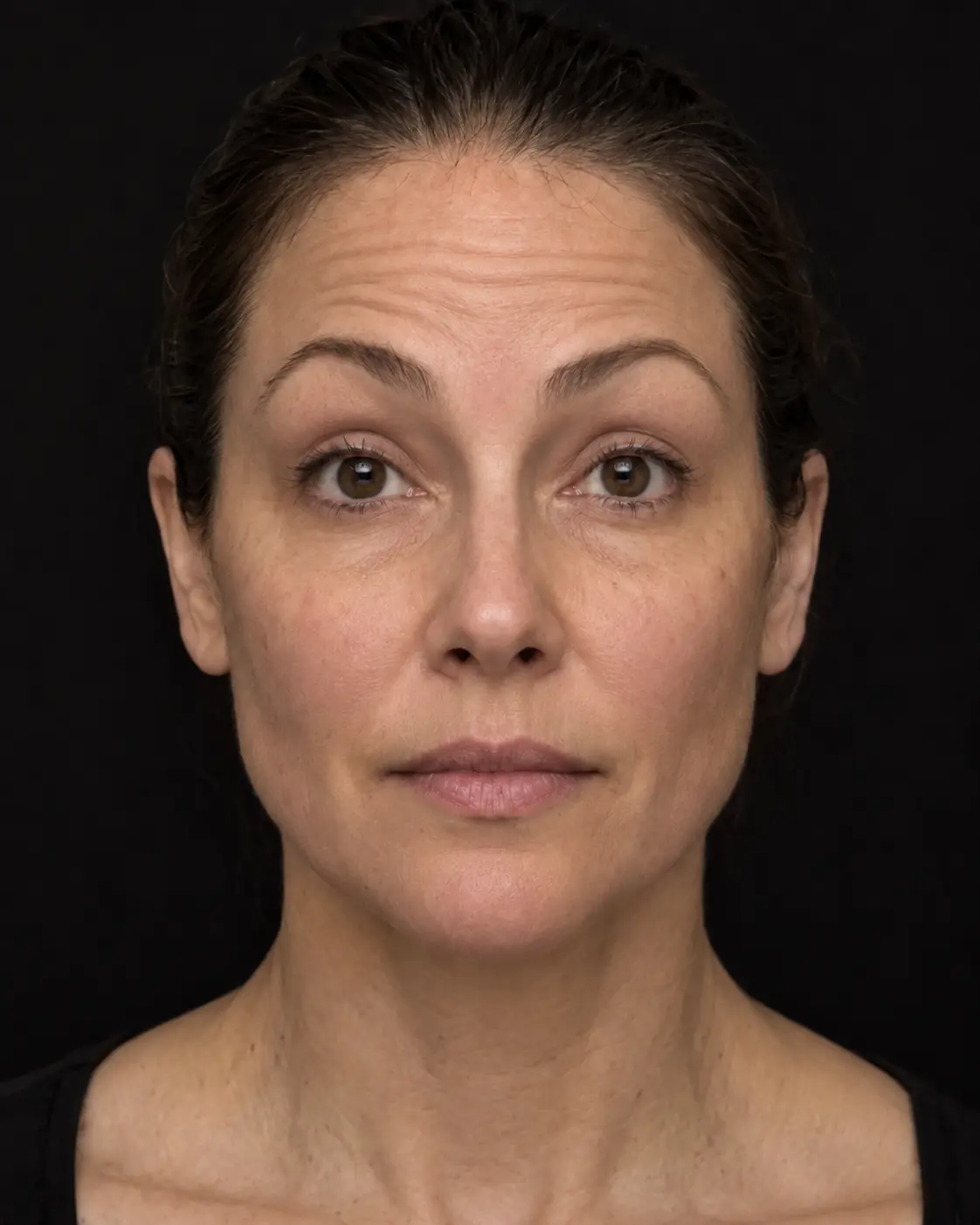 02 / RaiseFrontalis activity
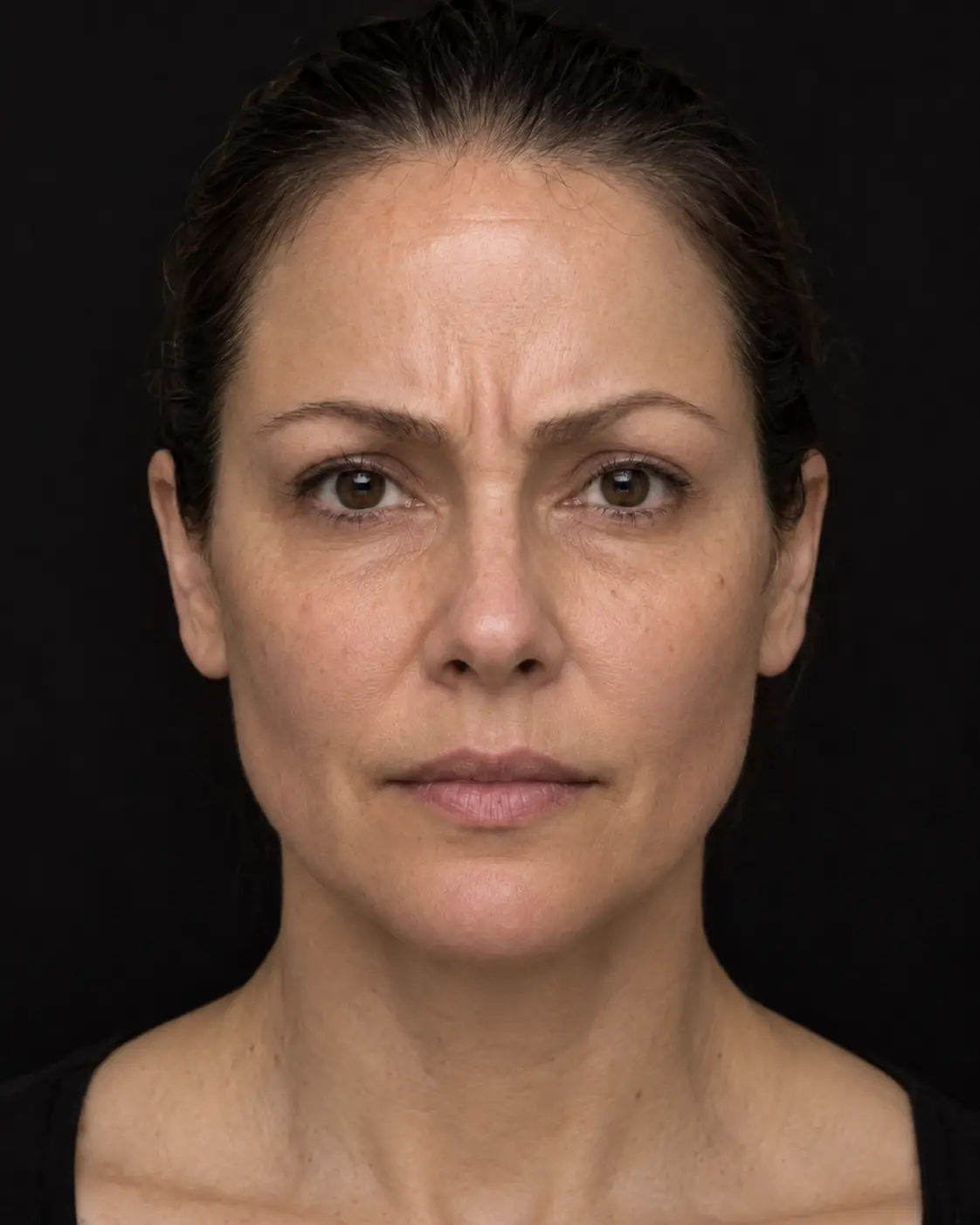 03 / FrownGlabellar activity
The clear comparison / 01
OnabotulinumtoxinA
FDA-approved cosmetic labeling includes moderate to severe frown lines, crow's feet, forehead lines, and platysma bands in adults.
AbobotulinumtoxinA
FDA-approved cosmetic labeling is for moderate to severe frown lines between the brows in adults younger than 65.
Both are prescription botulinum toxin type A products that temporarily reduce selected muscle activity.
Botox and Dysport units cannot be compared or converted. A larger unit number does not mean a stronger treatment.
Product is one variable. Anatomy, placement, dose, goals, history, and clinical judgment shape the plan.
A mirror, used differently / 02
The same crease can tell a different story depending on when it appears. Observe; do not self-diagnose. This three-view check gives you better language for the consultation.
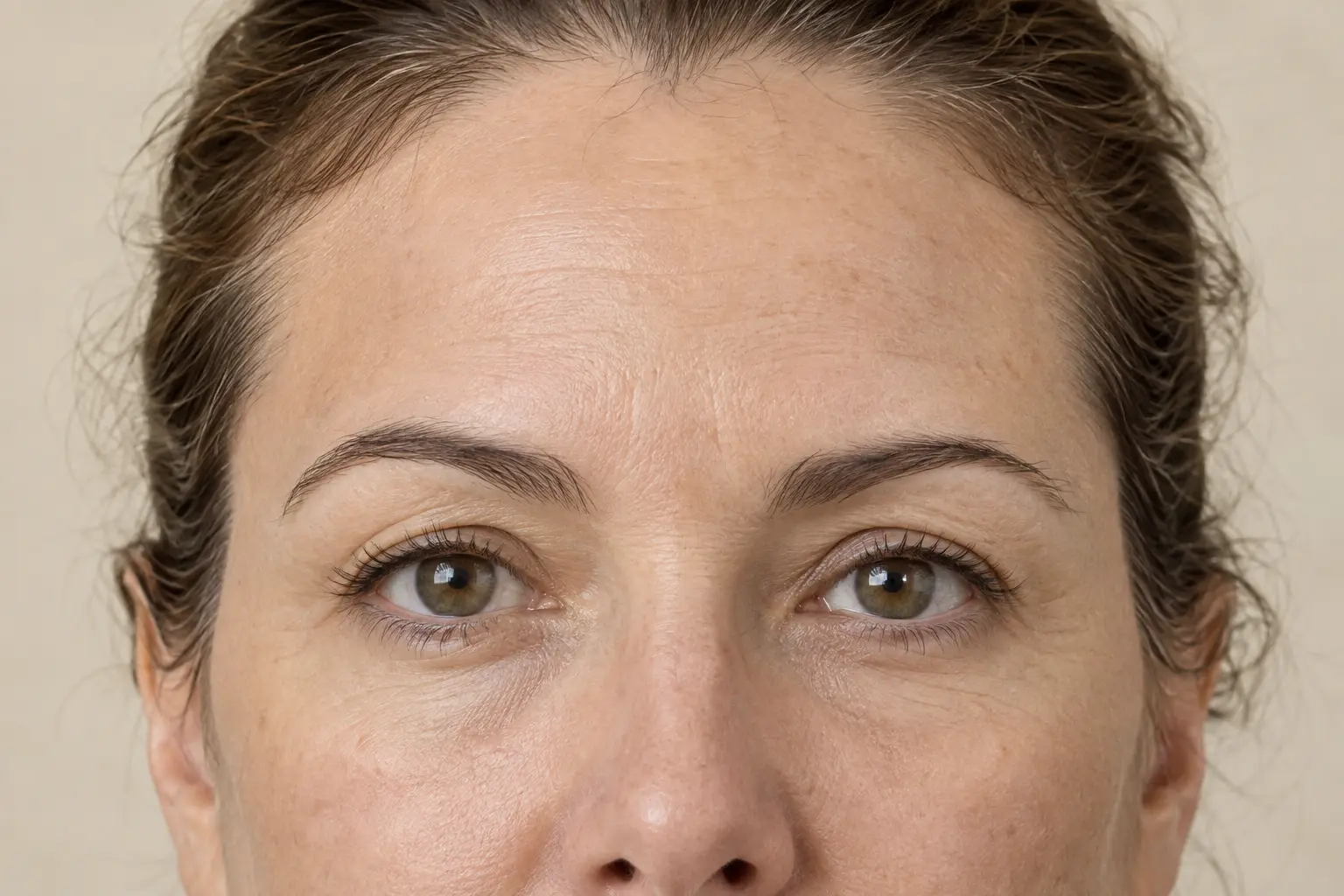
A line visible at rest may not be explained by muscle movement alone. Skin quality and other structural changes can matter.
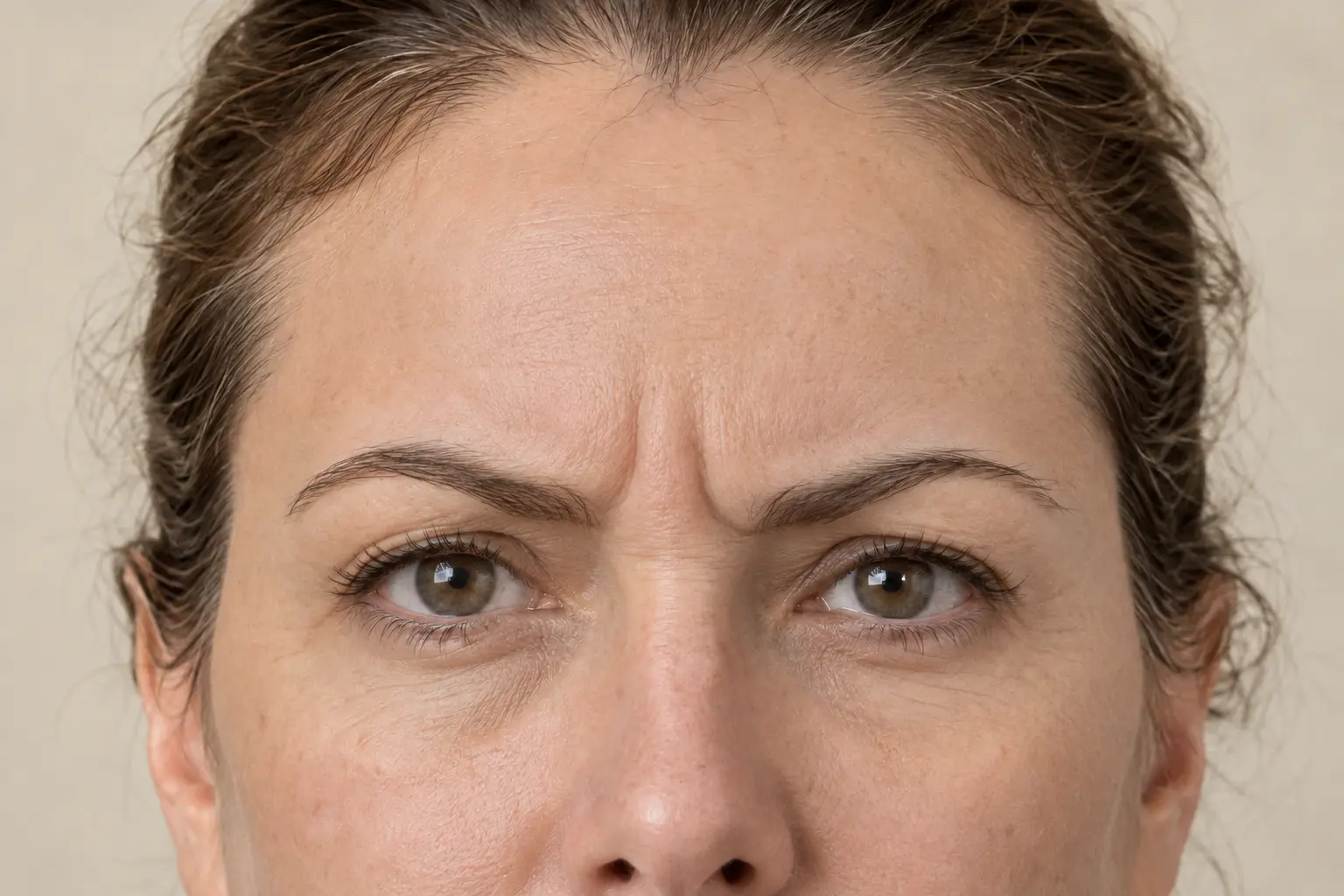
Frown, raise your brows, and smile naturally. A dynamic line appears as the underlying muscle contracts.
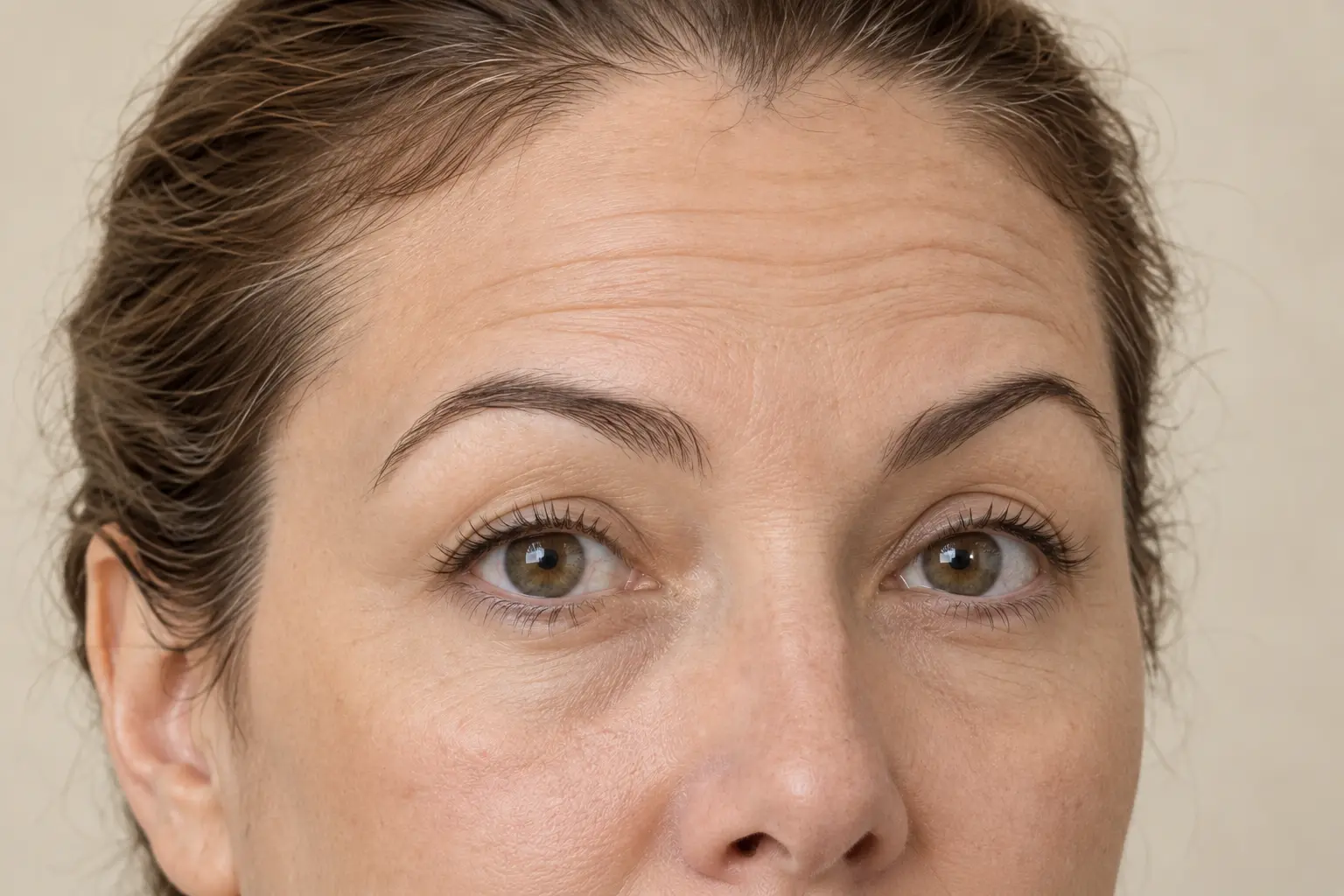
Brow position, eyelid support, asymmetry, and neighboring muscle activity can change what a responsible plan should consider.
A neuromodulator can address movement.
It does not replace lost volume, resurface texture, or correct every cause of a line. Naming the right problem is part of avoiding unnecessary treatment.
The point is not to arrive with a product selected. It is to arrive able to describe what you see and what you want to keep.

What the consultation should answer / 03
Your face at rest, through expression, and from more than one angle.
The concern, the outcome you want, and the movement you want to preserve.
Your health history, prior toxin treatments, medications, and candidacy.
Whether to treat, which product and placement make sense, and when to reassess.
KayDee Shiraishi, DNP, APRN, FNP-C, is a doctorally prepared, board-certified family nurse practitioner with more than eight years in aesthetic medicine. Her work and teaching center on anatomy, proportion, movement, and restraint.
Five questions worth asking / 04
Which muscle is creating the concern I am seeing?
What expression or function are we intentionally preserving?
Why does this product, dose, and placement fit my anatomy?
Is the proposed use within FDA-approved labeling or off-label?
When should the result be assessed, and what would justify a change?
Concise answers / FAQ
There is no universal winner. They are distinct prescription products with different formulations, dosing units, and FDA-approved cosmetic labeling. The useful question is which option, if either, fits your anatomy, goals, medical history, and treatment plan.
Results are not immediate. Official product information says Botox Cosmetic may begin to show in one to two days, with full results at 30 days. Dysport studies reported some response at day one and a median onset of two to three days. Those findings come from separate studies and should not be treated as a head-to-head guarantee.
Both treatments are temporary, and individual response varies. Official consumer information describes Botox Cosmetic results lasting up to four months and Dysport results lasting up to five months in studied uses. Product, area, dose, muscle activity, and individual response all matter.
A neuromodulator reduces selected muscle activity; the amount and placement influence how much movement remains. During consultation, identify the expressions you want to preserve rather than relying on a one-pattern-fits-all treatment.
No. Lines driven primarily by muscle movement may respond differently from lines visible at rest. Volume loss, skin texture, and tissue laxity are different concerns and may call for a different plan or no treatment at all.
Many clients prefer that their aesthetic care remain private. KayDee respects that preference and does not treat clinical photography as automatic promotional content. A photograph also cannot determine what is appropriate for your anatomy, movement, history, or goals. Those decisions belong in an individual consultation.
Before treatment / 05
Botox Cosmetic and Dysport are prescription medicines. Candidacy, risks, product selection, dose, and follow-up must be determined individually by a qualified clinician.
Share all medical conditions, prior facial procedures, muscle or nerve conditions, swallowing or breathing problems, pregnancy or breastfeeding status, allergies, medicines, and supplements. Identify every botulinum toxin product received in the past four months and any prior reaction.
Do not receive either product if you have an infection at the planned injection site or a relevant hypersensitivity. Dysport is also contraindicated with allergy to cow's milk protein. Final eligibility is determined during medical evaluation.
Botulinum toxin effects may rarely spread beyond the injection area. Seek immediate medical care for problems swallowing, speaking, or breathing, generalized weakness, double or blurred vision, drooping eyelids, or other concerning systemic symptoms after treatment.
Private by design / Henderson, Nevada
Your appointment is reserved in KayDee's private Henderson studio. There is no crowded treatment floor and no handoff between providers. You have the appointment and KayDee's attention to yourself.
Consultation fee. The full amount is applied toward a product or service when you move forward.
Educational information only; not medical advice. Consultation does not guarantee treatment. Approved uses differ by product, and some clinician-directed uses may be off-label. Individual results vary. Aura imaging may support baseline documentation and visualization; it does not diagnose a condition, determine candidacy, or replace clinical judgment.